The Growing Household Heat Pump Market: Comfort and Energy Efficiency in Perfect Harmony
Over the past decade, household heating systems have undergone a significant transformation, with heat pumps emerging as a top choice for homeowners seeking a balance between environmental sustainability and indoor comfort. As climate policies tighten and energy prices fluctuate, more consumers are looking for smart, future-proof solutions—and heat pumps deliver just that.
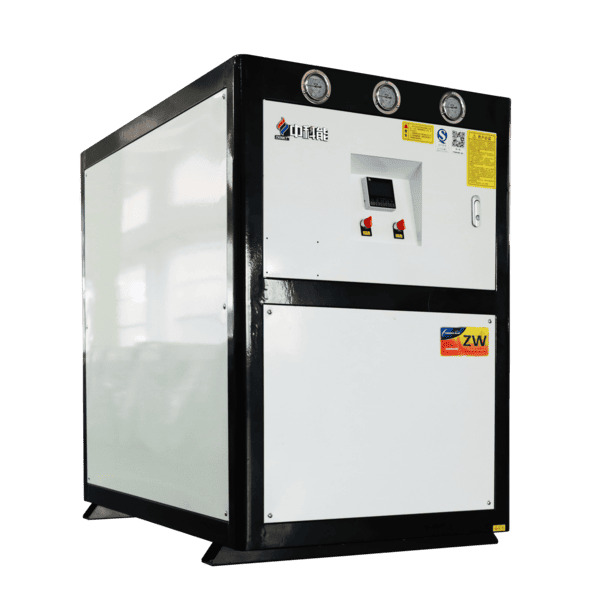
Heat Pumps Gain Momentum in Residential Heating
Over the past decade, household heating systems have undergone a significant transformation, with heat pumps emerging as a top choice for homeowners seeking a balance between environmental sustainability and indoor comfort. As climate policies tighten and energy prices fluctuate, more consumers are looking for smart, future-proof solutions—and heat pumps deliver just that.
According to the International Energy Agency (IEA), global heat pump sales grew by more than 11% in 2023, with China, the U.S., and parts of Europe leading the trend. In countries like Norway and Sweden, over 60% of households already rely on heat pump systems, highlighting their maturity in the market.
How Heat Pumps Combine Efficiency and Comfort
Modern heat pumps use advanced inverter technology to maintain stable indoor temperatures, even in extreme weather conditions. Unlike traditional HVAC systems that frequently switch on and off, heat pumps adjust power output continuously, resulting in better energy control and quieter operation.
Personal accounts from homeowners in northern China, where winter temperatures often drop below -10°C, confirm that today's cold-climate air source heat pumps (ASHPs) can reliably maintain 22°C indoors while consuming far less electricity than electric heaters or resistance coils. “My winter heating bill dropped by nearly 40% after replacing our old system with a high-efficiency heat pump,” noted one homeowner in Harbin.
Application Flexibility: One System, Multiple Benefits
One of the key strengths of household heat pumps is their multi-functionality. In addition to heating, most systems offer cooling and hot water supply, eliminating the need for separate appliances and reducing upfront and maintenance costs. This makes them especially attractive for new constructions and renovations aiming for passive house or green building certification.
In a recent white paper by the European Heat Pump Association (EHPA), it was noted that households switching to heat pumps saved on average €800 annually on energy costs while enjoying improved indoor air quality thanks to integrated filtration features.
Backed by Policy and Incentives
Governments around the world are actively promoting heat pump adoption through incentives, reflecting the technology's alignment with national carbon reduction goals. For example:
● In the U.S., the Inflation Reduction Act provides tax credits of up to $2,000 for qualified heat pump installations.
● China's “Dual Carbon" strategy includes subsidies for air source heat pump systems in rural and urban residential retrofits.
● In Germany, households replacing oil or gas boilers with heat pumps can receive up to 40% of the system cost in rebates.
These policy drivers are accelerating market growth while making sustainable living more accessible to middle-income households.
Market Trends and Consumer Preferences
Consumer preferences are shifting toward systems that offer smart connectivity and compatibility with solar PV and energy storage. Many brands now offer heat pump units equipped with Wi-Fi-enabled thermostats and app control, allowing users to optimize settings remotely. This level of automation not only enhances convenience but also supports energy-saving strategies, especially during peak hours or variable rate pricing.
Moreover, manufacturers are increasingly tailoring their products to suit regional climates. Brands like Midea, Daikin, and GREE now offer models engineered for cold-weather performance, with integrated defrost cycles and enhanced compressors for sub-zero efficiency.
Conclusion: A Core Power in Low-Carbon Homes
The rise of heat pump systems in the household sector is not merely a market trend—it represents a fundamental shift in how we design, heat, and live in our homes. With proven performance, favorable economics, and strong policy support, heat pumps are quickly becoming the backbone of modern, low-carbon residences.
As the world embraces more sustainable lifestyles, heat pumps offer homeowners the ideal solution: year-round comfort, long-term savings, and a meaningful contribution to climate action. In the era of green building, they are truly the "core power" driving energy-efficient homes forward.