UHF Two-Way Radios: Keeping Big Ships Talking
Ever been on a really big ship? Like, really big? Think cruise liners, massive cargo carriers, or tankers longer than a few football fields. It's like a floating city, right? Now, imagine trying to coordinate everything on board – from the engine room deep down in the hull to the bridge high above the waves, not to mention deck crews wrestling with cargo and teams responding to emergencies. Sounds like chaos? Not if they have their trusty UHF two-way radios!
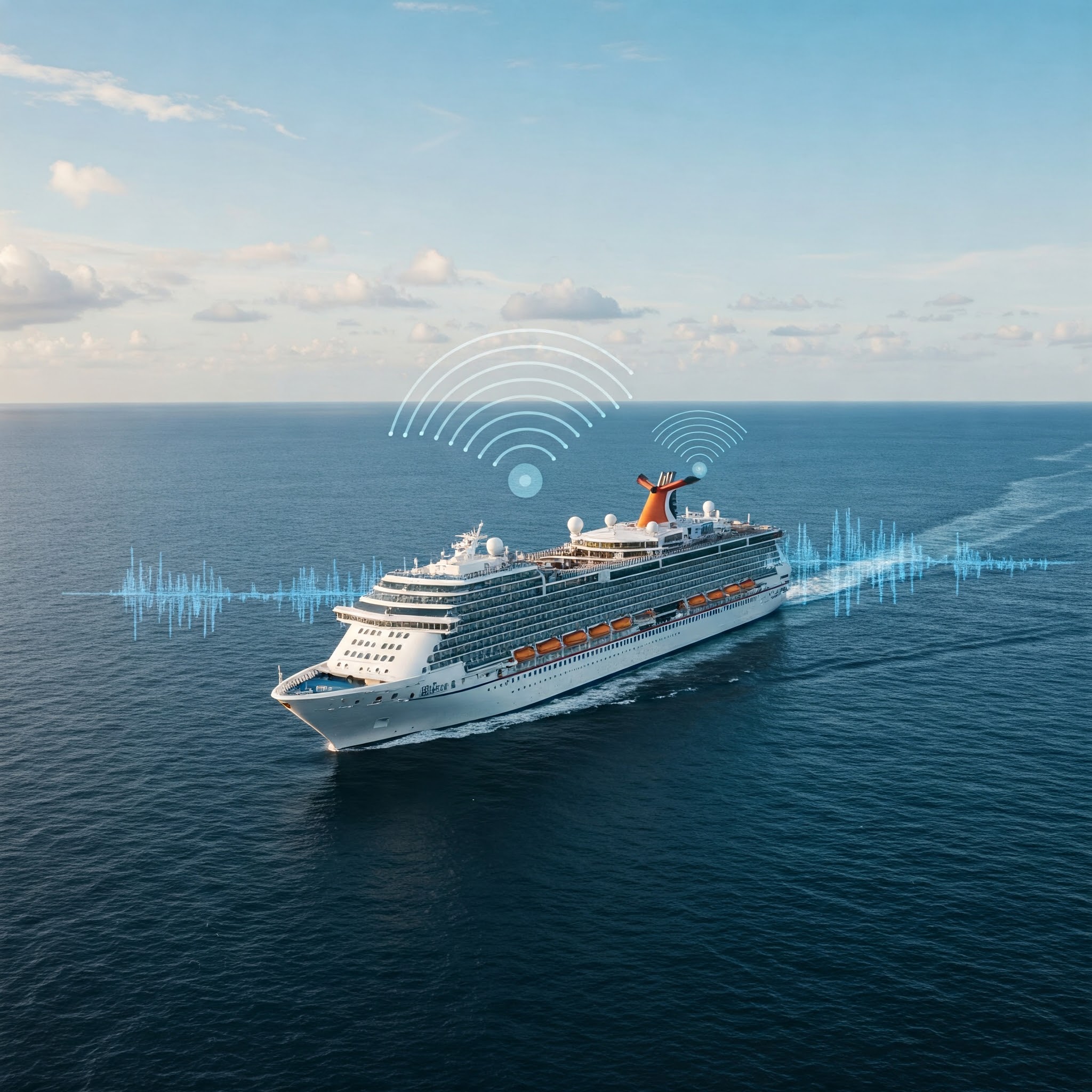
1. Ship-Wide Coordination: No More Guessing Games
Forget shouting across decks the size of football fields! UHF radios are the backstage pass to seamless communication across every department on a large vessel.
-
Engine Room to Bridge: The Heartbeat of the Ship: Imagine the engine room – a noisy, rumbling world of machinery. But it's vital for the bridge to know exactly what's happening down there. "Engine status normal," "Fuel consumption steady," or "Uh oh, we've got a minor glitch with pump #3" – all this crucial info zips instantly between the engine crew and the captain or officers on the bridge via UHF radio. It's like a ship's nervous system, keeping everything in sync.
-
Deck Ops Dispatch: Getting Things Done Efficiently: Think about deck operations – securing cargo in rough seas, cleaning massive decks, or maintaining vital equipment. Deckhands are often spread out and need to talk to the officer on watch or their supervisor constantly. "Cargo lashed down on section 5," "Need a crane for maintenance on the forward winch," "Requesting permission to start cleaning port side deck" – UHF radios turn potential logistical nightmares into smooth, efficient operations. No more running back and forth or relying on hand signals that disappear in the vastness of the deck!
-
Life in the Floating City: Everyday Comms Made Easy: It's not all about engines and cargo! Large ships are home to a whole community. Think kitchens needing supplies, medical teams responding to minor bumps and bruises, and all sorts of daily logistics. UHF radios keep the whole floating city humming, connecting the galley with the supply team, the medical bay with the bridge in case of emergencies, and everyone in between for the smooth running of daily life onboard.
2. Docking and Port Maneuvers: Teamwork Makes the Dream Work
Getting a massive ship safely into port is no easy feat, especially in tight spots or tricky weather. This is where UHF radios become the ultimate team communication tool.
-
Tugs and Pilots: Navigating the Tricky Bits: Imagine maneuvering a giant tanker through a narrow channel or into a crowded harbor. You're not doing that solo! UHF radios are the lifeline for coordinating with tugboat captains and harbor pilots. "Ease up on the pull, tugboat #3," "Pilot advising 10 degrees starboard," "Entering the channel, standby for instructions" – it’s a constant flow of real-time communication, ensuring everyone is on the same page (and avoids any expensive bumps!).
-
Dockside Hustle: Cargo Operations Connection: Unloading and loading tons of cargo? It’s a massive operation involving ship crew and dockworkers. UHF radios bridge the gap, allowing seamless communication about cargo locations, loading sequences, safety protocols (especially for hazardous materials!), and keeping everything moving efficiently. "Cargo manifest confirmed," "Section 7 ready for loading," "Hazardous goods arriving at Berth 4" – clear comms keep the port operations flowing smoothly and safely.
-
Mooring Magic: Securing the Beast: Securing a giant ship to the dock involves precise teamwork during mooring operations. Coordinating the release and tightening of mooring lines and anchor chains requires perfect timing. UHF radios ensure deckhands and bridge officers are in lockstep, preventing mistakes caused by blind spots or miscommunication. "Slack away line 3," "Anchor chain coming in slowly," "Mooring secured, all fast!" – it's all about synchronized actions for a safe and secure berthing.
3. Emergency Response and Safety: Seconds Count
When things go wrong at sea, every second counts. UHF radios are absolutely critical for rapid response and effective safety management during emergencies.
-
Fire and Spills: Fighting Back Fast: Fire onboard or a fuel leak? These are nightmares at sea. Emergency teams rely on UHF radios to report fire locations, evacuation progress, and receive vital instructions from the command center. "Fire in galley, section 3!" "Evacuating crew from deck 5," "Activate fire suppression system in engine room!" – UHF radios are the backbone of a coordinated emergency response, enabling quick action to contain damage and protect lives.
-
Man Overboard! Swift Search and Rescue: The terrifying cry of "Man overboard!" demands instant action. Once someone is spotted in the water, UHF radios are crucial for lifeboat crews and the main ship to stay in constant contact, coordinating search patterns, relaying the location of the person overboard, and preparing for medical assistance. "Lifeboat launched, heading to sector Charlie," "Person sighted bearing 270, distance 500 meters," "Medical team standing by on deck!" – UHF radios are vital for a swift and effective rescue operation.
-
Confined Space Watch: Safety in Tight Spots: Working in enclosed spaces like cargo holds or fuel tanks is inherently risky. Before anyone enters these areas, explosion-proof UHF radios become essential safety gear. Workers inside can maintain constant contact with a watchkeeper outside, ensuring safety checks are followed and help can be summoned instantly if needed. "Entering cargo hold #4," "Ventilation system running, air quality good," "All tasks complete, exiting confined space" – UHF radios are the lifeline in potentially hazardous enclosed environments.
4. Cargo Handling and Management: Keeping Goods Moving
Efficient cargo operations are the lifeblood of commercial shipping. UHF radios play a key role in keeping everything organized and safe during loading and unloading.
-
Hazardous Cargo Oversight: Safety First, Always: Handling flammable or explosive cargo demands extra vigilance. Supervisors use UHF radios to issue safety instructions to stevedores and crew during these sensitive operations. "Maintain grounding straps on fuel lines," "No smoking within 50 meters of cargo hold #2," "Emergency shutdown procedures confirmed" – UHF radios are essential for enforcing strict safety protocols when handling dangerous goods.
-
Special Cargo Coordination: Precision Handling: Moving heavy machinery or delicate scientific instruments requires pinpoint precision. UHF radios enable seamless communication between crane operators, deck teams receiving the cargo, and the overall loading supervisor. "Crane boom angle adjusted to 30 degrees," "Cargo approaching deck level," "Gently lower onto mounting points" – UHF radios ensure smooth and damage-free handling of valuable and specialized cargo.
-
Reefer Container Monitoring: Keeping Cool Under Pressure: For ships carrying temperature-sensitive cargo like food or pharmaceuticals, maintaining the cold chain is critical. During inspections, crew members use UHF radios to instantly report temperature deviations in refrigerated containers to the engine department, who can then adjust the cooling systems. "Reefer container #12 temperature alarm, reporting +2 degrees Celsius," "Engine room adjusting cooling system parameters," "Temperature stable, alarm cleared" – UHF radios help maintain cargo integrity and prevent spoilage.
5. Maintenance and Repair: Keeping the Shipshape
Even massive ships need regular maintenance and occasional repairs. UHF radios are invaluable for supporting these tasks, ensuring safety and efficiency.
-
Engine Room Fixes: Troubleshooting with Talk Power: When engineers are deep in the engine room troubleshooting complex machinery, UHF radios are their link to the bridge. They can quickly confirm equipment shutdown procedures, check for operational impacts, and get real-time advice without leaving their workspace. "Requesting engine shutdown confirmation for pump inspection," "Bridge confirms engine offline, proceed with maintenance," "Repair complete, ready for engine restart" – UHF radios streamline maintenance and prevent accidental disruptions to ship operations.
-
Hull and Mast Work: High and Dry (and Safe): Maintenance tasks like working at height on the mast or inspecting the ship's hull require careful coordination and safety measures. UHF radios keep maintenance crews in constant contact with support teams on deck, ensuring tools are delivered safely, safety harnesses are secure, and any issues are immediately addressed. "Requesting tool lift to mast platform," "Safety harness check complete, proceeding with inspection," "Hull inspection complete, no damage found" – UHF radios are vital for safety during potentially risky maintenance work.
6. Safety Drills and Training: Practice Makes Perfect
Regular safety drills and training exercises are essential for crew preparedness. UHF radios are key tools in making these drills realistic and effective.
-
Fire and Abandon Ship Drills: Real-Time Response Practice: During fire or abandon ship drills, UHF radios allow different teams to report assembly status, equipment readiness, and simulated emergency updates to the drill command center. "Fire team assembled at muster station Alpha," "Lifeboat #2 ready for launch," "Simulated casualty reported on deck 7, proceeding to location" – UHF radios enhance the realism and effectiveness of emergency drills, improving crew response times and coordination.
-
Confined Space Rescue Training: Simulated Scenarios, Real Skills: Training for confined space rescues in smoke-filled environments is challenging but crucial. UHF radios enable rescue teams to communicate their location, the simulated location of casualties, and their rescue plan with the training command center, even in zero-visibility conditions. "Entering simulated smoke-filled cargo hold," "Locating simulated casualty in section B," "Casualty extricated, returning to entry point" – UHF radios are vital for effective communication and coordination during complex rescue training exercises.
UHF and VHF: The Dynamic Duo of Marine Radio
So, UHF radios are amazing for onboard comms, but what about VHF radios? They're both marine radios, but they play different roles:
-
UHF: The Inside Job Expert: Think of UHF as the ship's internal comms system. It's perfect for short-range (3-10 km), on-site communication, especially where you need to punch through walls and metal structures.
-
VHF: Reaching Out to the World: VHF is your long-range marine buddy, ideal for ship-to-shore communication (20-30 nautical miles) and talking to other vessels, coast stations, or using public channels like the crucial Channel 16 distress frequency.
-
Best of Both Worlds: Smart ships often use both! UHF for internal teams, and VHF for wider maritime communication. Often, they use repeaters to extend the range of both systems, ensuring crystal-clear communication across the entire vessel and beyond.
Why UHF Wins for Big Ships: The Perks
-
Interference? What Interference?: Large ships are noisy places – engines roaring, machinery humming, metal structures reflecting signals everywhere. UHF radios are champs at cutting through the noise and interference, delivering clear, understandable audio even in tough environments.
-
Grab and Go (and Tough as Nails): UHF handheld radios are built for action. They're portable, rugged, and often come in explosion-proof versions for use in hazardous areas. Perfect for crew on the move!
-
Instant Contact, No Fuss: Need to talk now? UHF radios offer instant, push-to-talk communication. No dialing, no waiting – just press a button and talk. Exactly what you need in fast-paced, and especially emergency, situations.
In a nutshell: UHF two-way radios aren't just gadgets on big ships – they're the essential communication backbone that keeps everything running smoothly, efficiently, and most importantly, safely. From everyday tasks to critical emergencies, these unsung heroes of maritime communication are always on call, ensuring big ships stay connected and in control, no matter what the sea throws their way.